
After a California car accident, contacting law enforcement is often one of the most important early steps. A police or CHP traffic collision report creates an official record that can support an insurance claim and preserve useful information. This guide explains when to call, who responds, and how a law-enforcement report differs from the DMV's SR-1 reporting requirement.
When to call 911
Call 911 immediately if anyone is injured, if a vehicle is blocking traffic and cannot be moved, if a driver appears impaired, or if a hit-and-run has occurred. The 911 dispatcher can route the call to the appropriate law-enforcement and medical responders. When in doubt about whether a situation is an emergency, it is safer to call.
When a non-emergency call may be enough
For minor collisions with no injuries and drivable vehicles, a non-emergency law-enforcement number may be appropriate. However, California law requires you to report a collision to law enforcement when there is injury, death, or property damage exceeding $1,000. See our guide to California traffic accident reporting laws for the full thresholds.
CHP vs. local police jurisdiction
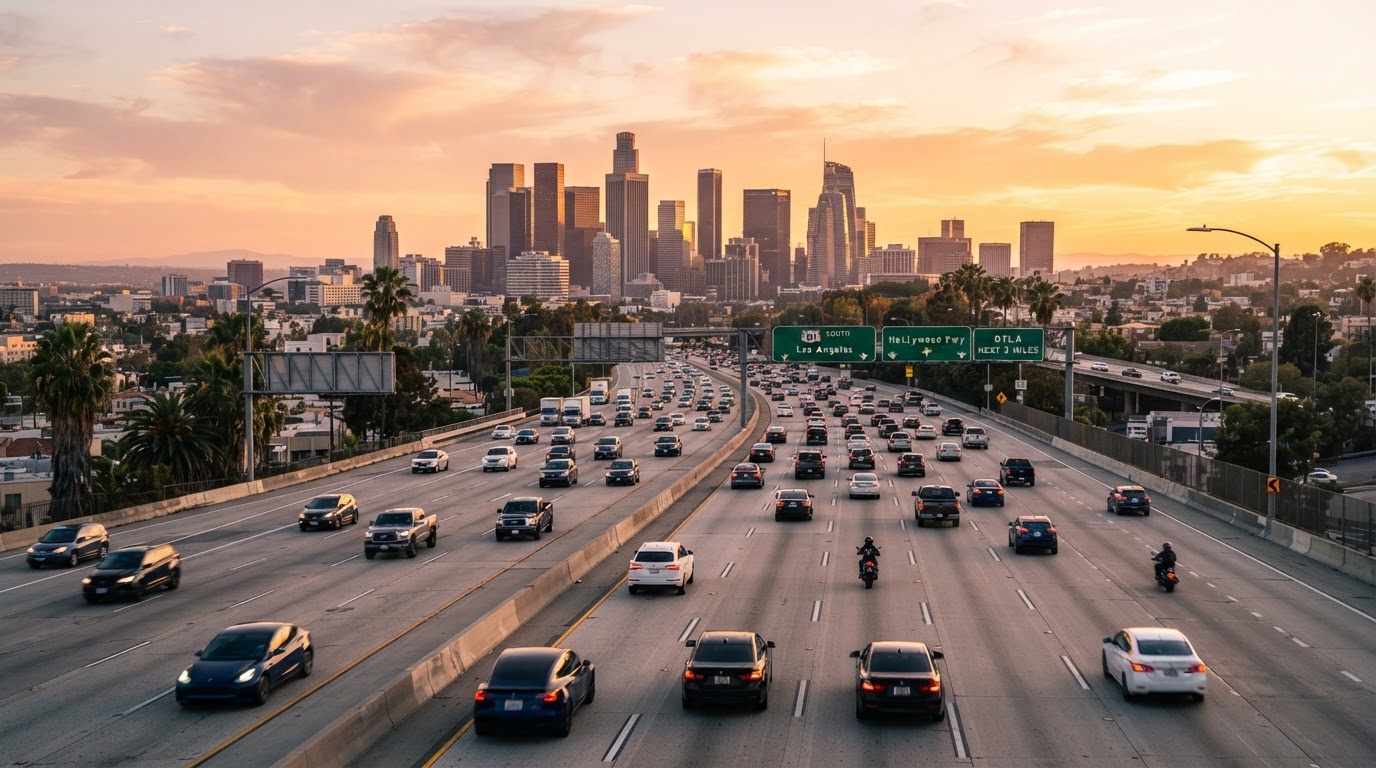
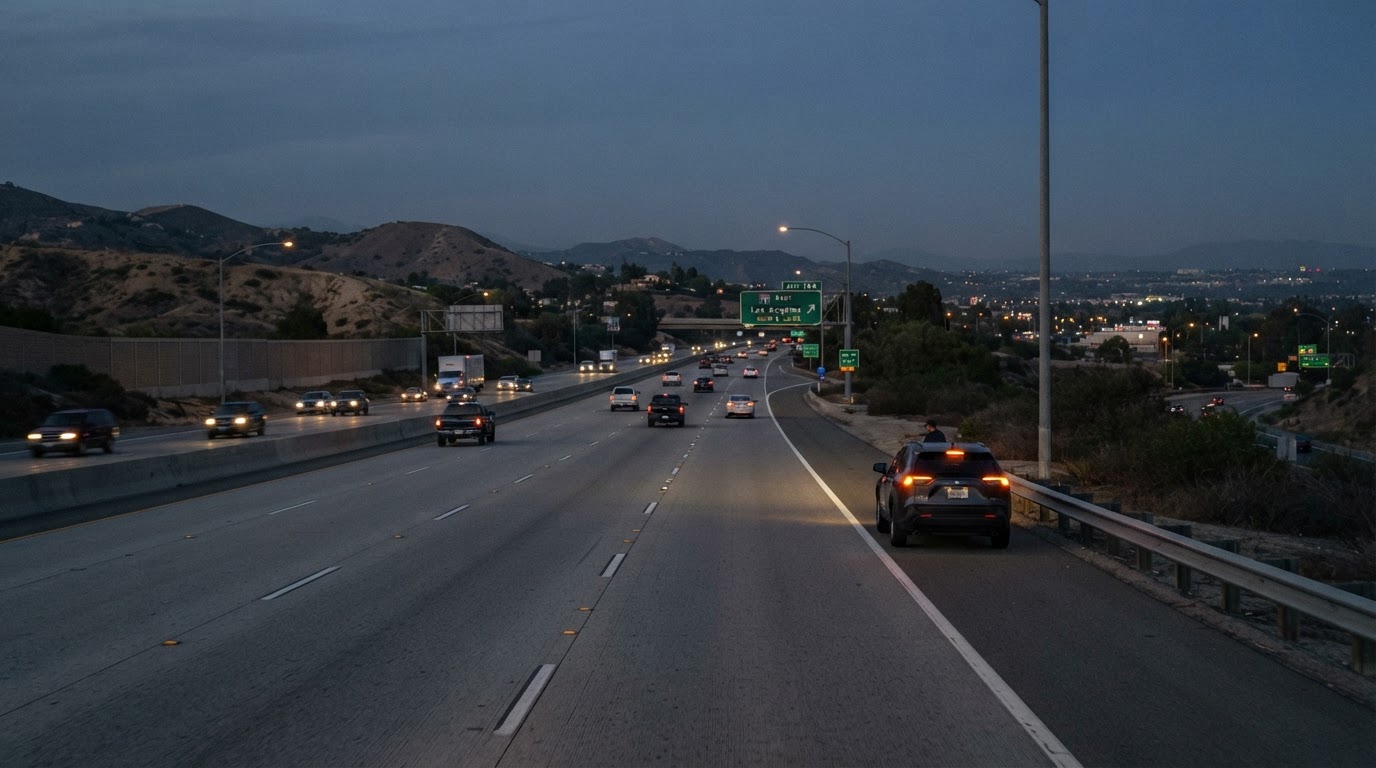
The California Highway Patrol (CHP) typically handles collisions on state highways, freeways, and unincorporated county roads. City police or a county sheriff's department often handle collisions within city limits. The agency that responds is the agency that prepares the traffic collision report. If you are unsure who responded, the dispatch record or your insurance company can usually help identify the agency.
What information to provide
When you call, be ready to give the location, the number of vehicles involved, whether anyone is injured, and whether traffic is blocked. After responders arrive, provide factual information about what happened without speculating about fault. Exchange information with the other driver(s) — see what to do after an accident for the full checklist.
Why documenting the collision matters
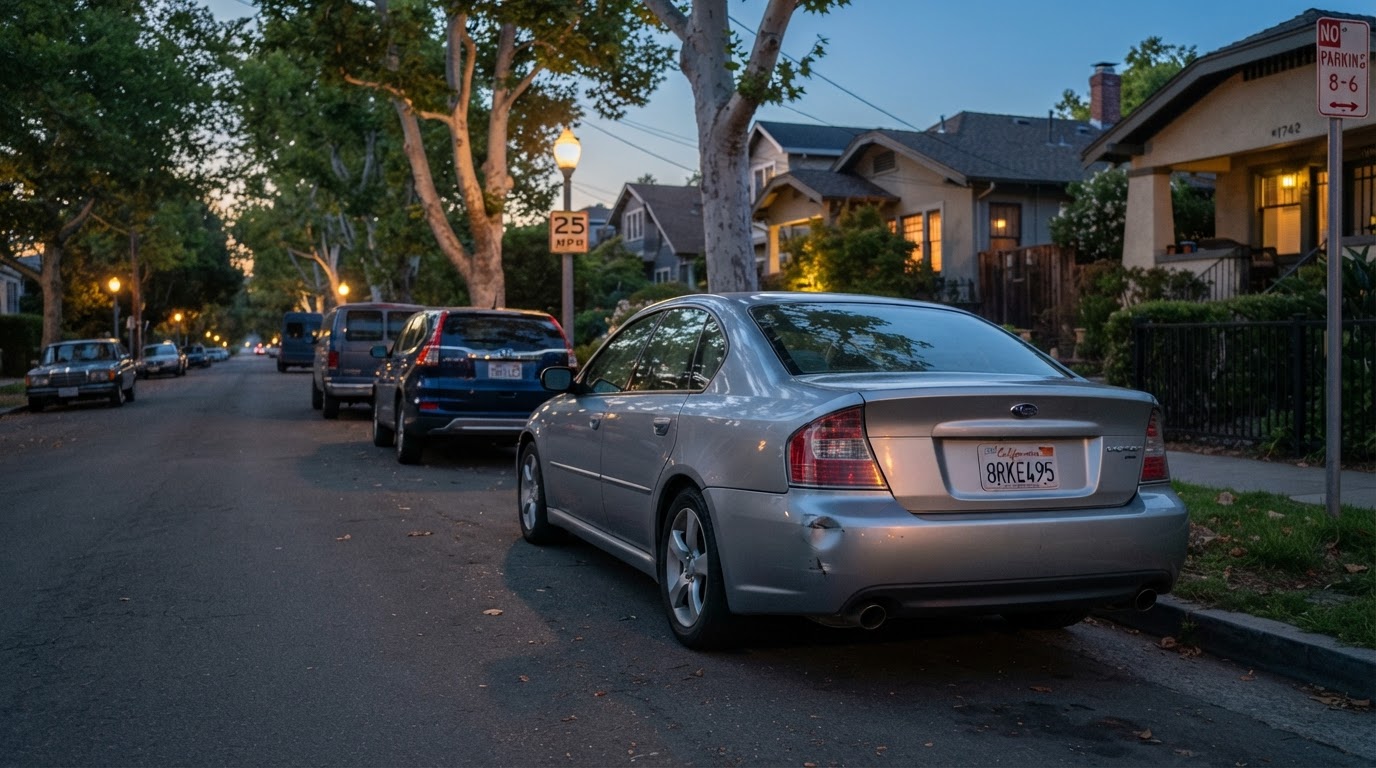
Even when an officer responds, your own documentation is valuable. Photograph vehicle positions, damage, road conditions, and traffic controls, and collect witness contact information. See documenting a car accident for exactly what to capture. Your photos can fill in details that a report may not include.
Hit-and-run situations
If the other driver leaves the scene, call the police immediately. A report creates an official record and may support an investigation. Note any details you safely can — plate number, vehicle description, direction of travel — and provide them to the responding officer. See what to do after a hit-and-run for the full steps.
Obtaining the resulting accident report
If the CHP responded, you can request the official collision report through the CHP's report process — see how to get a CHP accident report. If a local police or sheriff's department handled the collision, request the report directly from that agency. A fee may apply, and you will typically need the date, location, and parties involved.
What to do if an officer does not respond
For minor collisions, an officer may not respond to the scene, or may advise you to exchange information and file a report separately. In that case, preserve your own documentation carefully, exchange information with the other driver(s), and notify your insurer. You may still be able to file a counter-report or an online report with the appropriate agency depending on local policy.
Preserving your own documentation
Keep copies of photos, witness information, the other driver's insurance details, and any notes from the scene. If an official report is later prepared, compare it against your records for accuracy. Discrepancies can sometimes be addressed through the agency's report-correction process.
Insurance considerations
Notify your insurance company promptly, even if you were not at fault. Provide the police report number when available. A report can strengthen a claim, but it is not the only evidence — your documentation and the insurer's own investigation also matter. See how to file an auto insurance claim for what to expect.
Police report vs. the DMV SR-1 — do not confuse them
This is a common point of confusion. A police or CHP traffic collision report is filed by law enforcement and documents the incident for investigative and insurance purposes. The SR-1 is a separate report that you file with the California DMV within 10 days when damage exceeds $1,000 or someone is injured or killed. They are two different filings with two different agencies, and both may be required after the same accident.