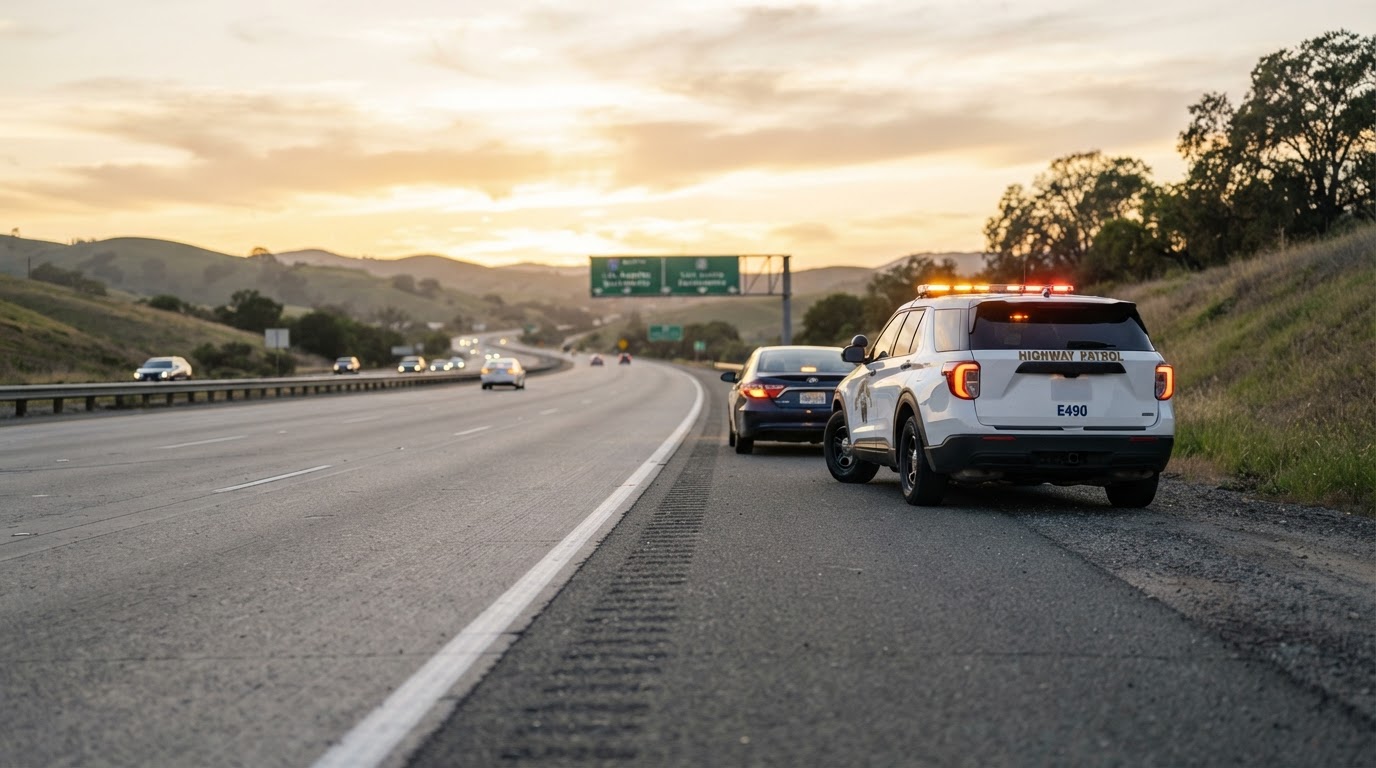

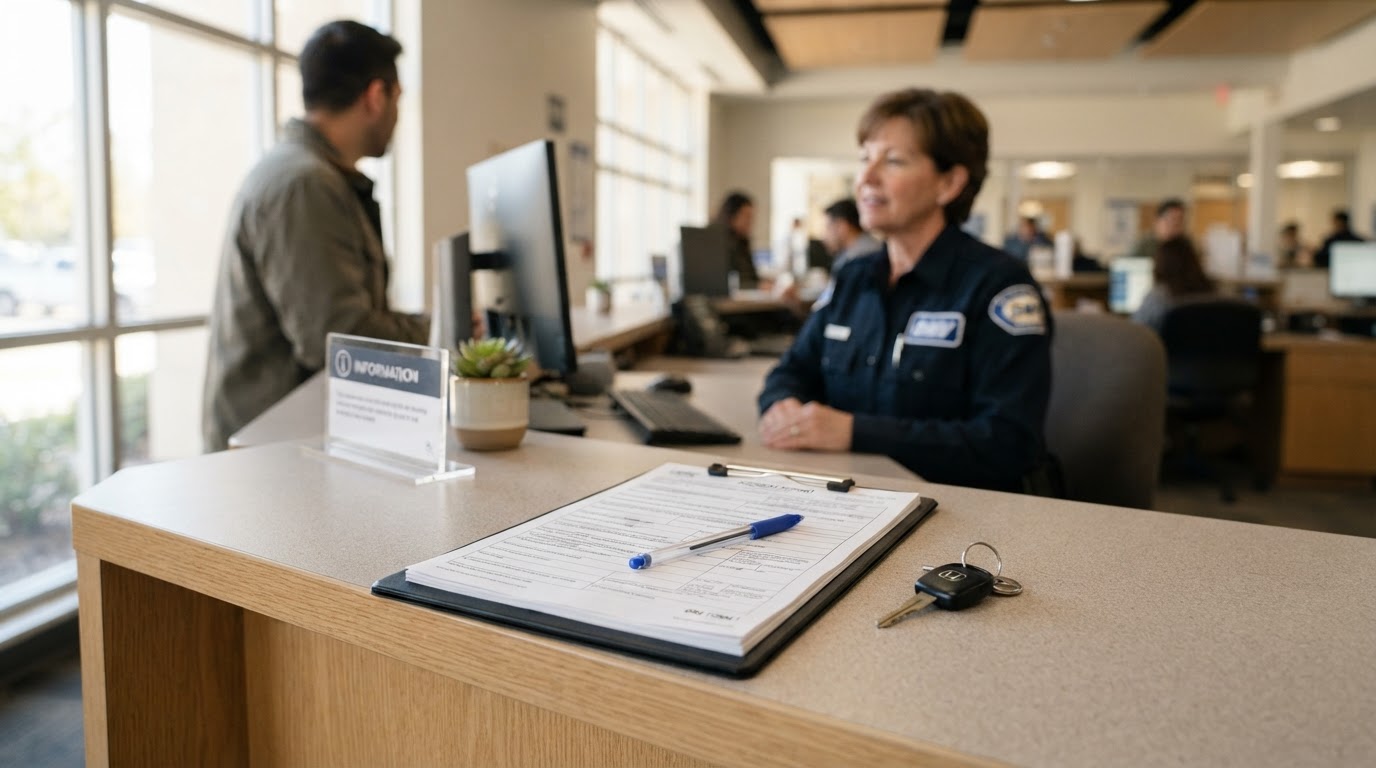
The SR-1, or Report of Traffic Accident Occurring in California, is the form drivers must file with the California DMV after certain collisions. Understanding when it applies helps you avoid a license suspension.
When you must file an SR-1
You must file within 10 days if the accident involved injury or death, or property damage exceeding $1,000. The $1,000 threshold applies to total damage to all property, not per vehicle. This reporting requirement is separate from any police report — see how to get a CHP accident report for the law-enforcement side.
What happens if you don't file
Failure to file can result in suspension of your driving privilege. The DMV treats the SR-1 as a key record for tracking accident history and financial responsibility. A suspension can affect both your license and your vehicle registration.
How to file
The SR-1 can be submitted online through the DMV website or by mail. You'll need the date, location, and details of the crash, plus insurance and driver information for everyone involved. Keep a copy for your records and provide the information to your insurer.
SR-1 vs. a police report
The SR-1 is your personal report to the DMV. A police report is filed by law enforcement. Both can be useful: the SR-1 keeps your driving record current, while the police report documents the incident for insurance and any investigation.