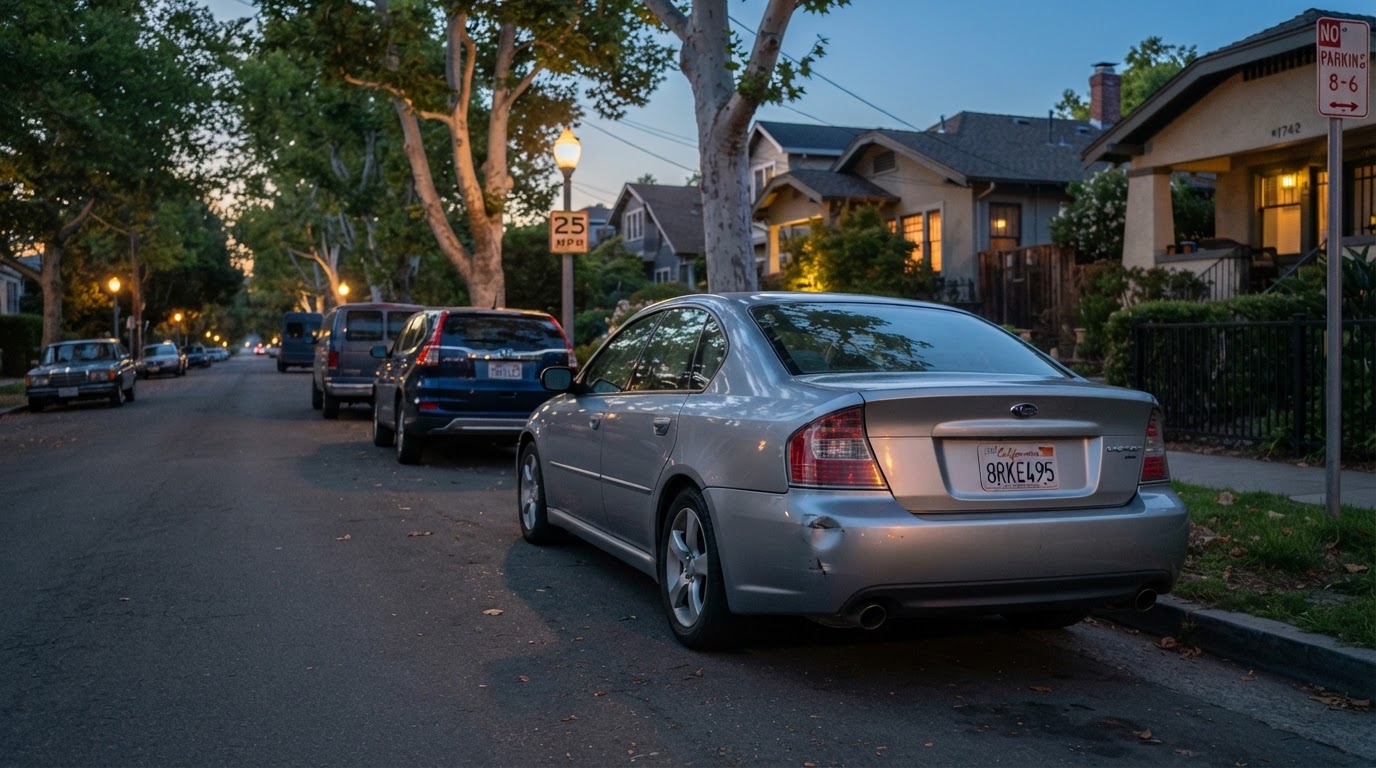


Knowing what to do in the minutes after a car accident can protect your safety, preserve useful information, and help with insurance and reporting. This guide covers the immediate steps every California driver should understand.
1. Move to safety and check for injuries
If anyone is injured, call 911 immediately. If the vehicles are drivable and blocking traffic, move them to a safe location such as a shoulder or parking lot. If a vehicle cannot be moved, turn on hazard lights and, if safe, set out flares or reflective triangles.
2. Call the police
California law requires you to report a crash to law enforcement when there is property damage exceeding $1,000, any injury, or any death. Even for minor collisions, a police report creates an official record that can be useful later. See our guide to California traffic accident reporting laws for the full thresholds.
3. Exchange information
Exchange names, addresses, driver's license numbers, vehicle registration, and insurance details with the other driver(s). Be factual and cooperative, but avoid discussing fault at the scene — fault is determined by insurers and investigators, not the drivers involved.
4. Document the scene
Take photos of vehicle positions, damage, road conditions, traffic signs, and the surrounding area. Note the time, weather, and any witnesses. See our accident documentation checklist for exactly what to capture.
5. File required reports
California requires an SR-1 report to the DMV within 10 days when damage exceeds $1,000, or when anyone is injured or killed. See our guide to the SR-1 form for details on how to file.
6. Notify your insurer
Report the collision to your insurance company promptly, even if you were not at fault. Most policies require timely notice. Provide factual information and let the insurer guide the claims process. See how to file an auto insurance claim for what to expect.